Background and question
Access to education and employment depends on being able to get there, and much of Karachi’s infrastructure has not been built for wheelchair users. In the 2018 Transdesign Practicum studio, an interview with the director of our primary stakeholder NOWPDP, an organisation promoting an inclusive society through education and economic empowerment, showed that accessibility was the most significant problem and was not being investigated. NOWPDP’s attempts to engage the public sector on accessible transport had received little support, so we then approached Careem, which already ran similar services in Abu Dhabi and Egypt, to map out how we could improve mobility for wheelchair users in Karachi.
The process
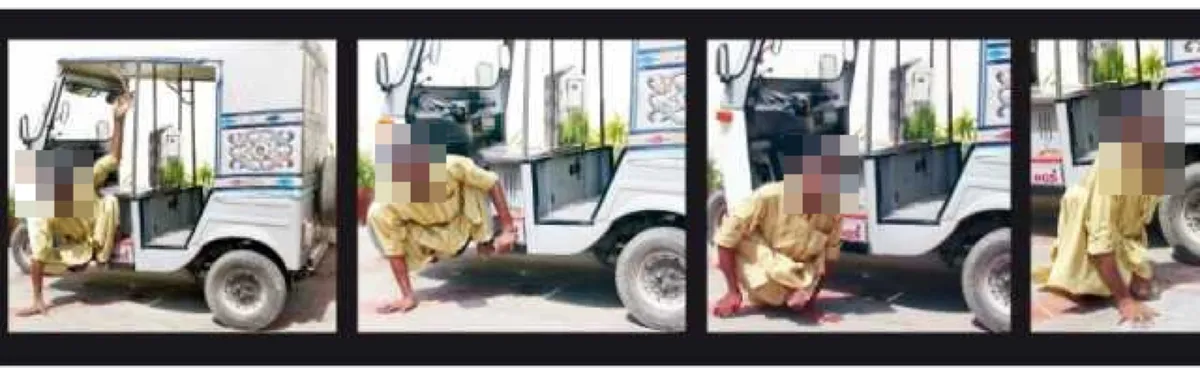
We began by documenting how mobility barriers shaped an everyday journey, through a conversation with a wheelchair-using NOWPDP employee who described leaving a sixth-floor building without ramps, which required help from his mother and took 30 to 40 minutes before a journey of about 30 minutes to work. The report also records limited accessible public transport in Karachi, where local transport workarounds had become necessary. We compared those workarounds with accessible rickshaw and Careem precedents, then used the contrasts to frame the service.
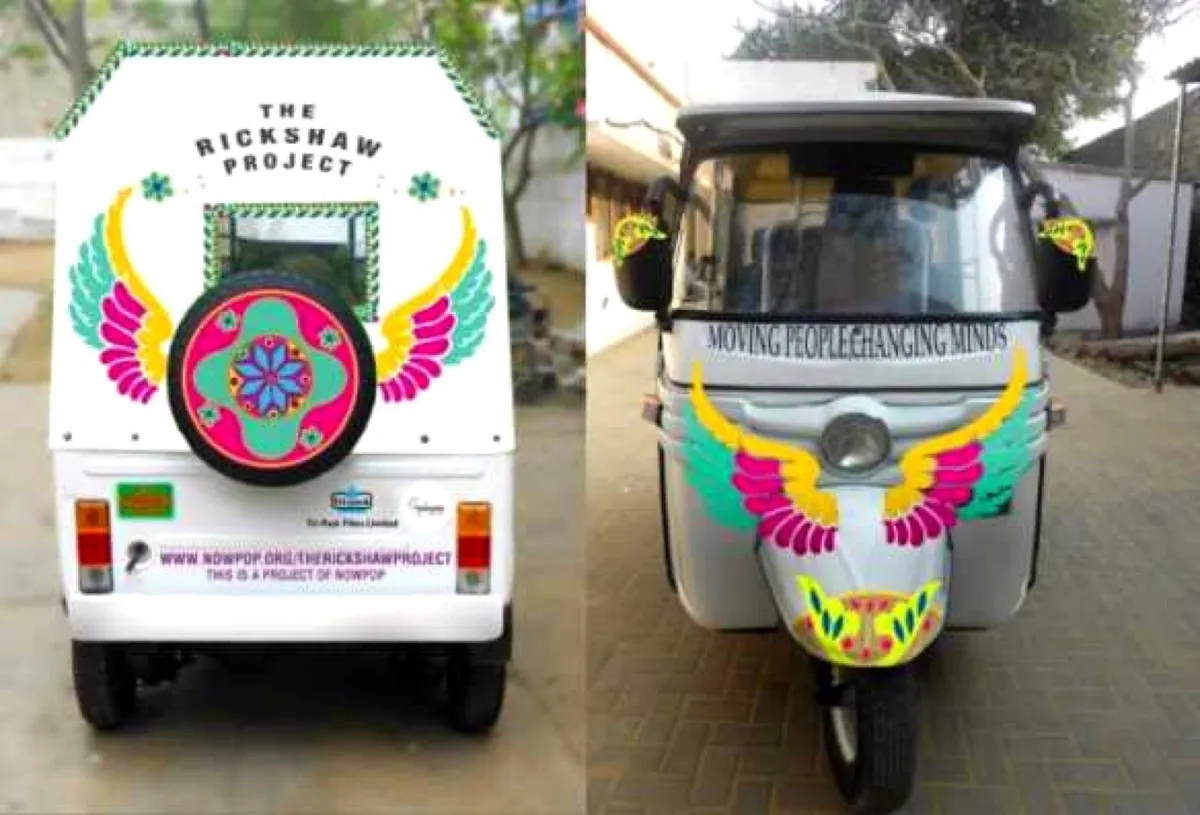
We next spoke with stakeholders across NOWPDP and Careem, including the NOWPDP director and Careem communications lead. Those conversations shifted the work from vehicle access alone toward boarding, driver training, demand, and the journey to work or education.
We then mapped the consumer cycle from home to destination and used it to define the service intervention. The proposal moved from fixed pickup stops to door-to-door service because the route from home to a stop could itself be inaccessible. For an initial Karachi test, it described ten accessible vehicles in the Careem app, with possible expansion to Lahore and Islamabad, while demand, pricing, locations and fleet size remained unresolved.
The report attributes the prototype and community feedback to NOWPDP’s network, while also recording that it had not been tested to the required specifications. We reviewed the rear ramp, interior space and captain training, while considering different wheelchair sizes and the conditions of Karachi’s roads. The final studio report combined research, service mapping, prototype critique and visual communication.
Findings
Mapping the complete journey made boarding and destination access requirements inseparable from vehicle design. Prototype review exposed implementation gaps, including a ramp that did not meet the specified gradient, a slippery concrete surface, and no handrails. Local infrastructure, driver training and space for different wheelchair sizes also remained design concerns, while the app-only booking flow could exclude people unable to use a smartphone.
Limitations and next steps
The prototype design intervention remains a design proposal and a project I would like to revisit. Stakeholders at the time mentioned a planned launch on 3 December 2018, which did not happen because of other priorities, and unresolved safety, infrastructure, demand, pricing and operating questions limited what could be concluded from the proposal.
For future research on this topic, how people with disabilities would participate in the service-creation team was a priority during our research and remains one, since the proposal did not settle it. The report recommended giving a community of people with disabilities the space and resources to create the design solution themselves, and putting research and design ahead of launching the service and testing it afterwards. Interviewing and co-creating with the people the service is designed for was also valuable in our own work, because it gave detailed insight into the context that working only with NOWPDP and Careem would not have drawn out.